
Advertisement
Right now, I am retired and enjoying a peaceful, sun-drenched summer at our idyllic French farmhouse, surrounded by rolling countryside, good wine, and my beloved husband, Mr M. Sitting on the terrace on warm summer evenings, listening to my university-age great-nieces and nephews debate the endless digital struggle their friends experience swiping left and right on dating apps, I can only marvel at how radically the world of love has changed. To them, finding a partner is an algorithmic transaction played out behind shiny glass screens. To me, it sounds like an utter soul-destroying nightmare. When they tell me how people complain about ghosting, low effort "walk in the rain" dates, and men turning up in scruffy tracksuits, I tell them how romance used to be. With over two decades in the business, I'm finally ready to spill every outrageous secret from the frontlines of the UK's original dating revolution.
Because back in the late 1980s, my own journey into matchmaking didn't begin with a clever phone app. It began with absolute, terrifying personal and financial disaster. In 1986, I was a professional singer representing England at the Nordring Festival in Dublin for BBC Radio 2. I walked through my front door early one morning, exhausted but exhilarated, only to be struck by a devastating bombshell: my husband had walked out on me and our two tiny children. An acrimonious divorce followed and proceedings erupted immediately. Then, like a cruel double blow from fate, financial catastrophe struck. Alongside my singing, I ran a theatrical production company called Edwardians Unlimited, putting on Olde Tyme Music Hall and variety shows. I had been hired to produce two weeks of major variety shows for the Festival of London at Alexandra Palace. Right in the middle of a star-studded performance starring Chas & Dave and compere Barry Cryer, the bombshell dropped: the festival company was bankrupt. The money was gone.
I spent a sleepless night staring into a dark, terrifying abyss. Thousands of pounds were owed to 20 performers under contract to me. With legal fees mounting from my divorce and bankruptcy looming over my head, I felt completely trapped. Miraculously, those wonderful artists refused to take a penny from me once they heard the truth, restoring my faith in human nature. But I desperately needed another sustainable lifeline to feed my children and pay the bills.
In those days, formal dating was limited to traditional, matchmaking agencies. The very thought of going on a blind date terrified me to my core; I could happily sing on stage in front of thousands, but sitting opposite a male stranger paralyzed me with fear. While chatting over drinks, my friends dared me to turn my old hobby of throwing matchmaking dinner parties into a proper business. I couldn't resist a dare. The seeds of Dinner Dates were sown.
We cleared out the top floor of my house in Chiswick, dragged up a dining table and two chairs, installed two phone lines, and launched. My journalist friend Celia Brayfield wrote us a punchy press release, and the response was explosive. Enquiries flooded in from hundreds of lonely singles desperate for real connection.
I wanted our members to experience the glamorous West End nightlife I had loved before my marriage collapsed. So I called up an old family friend, nightclub legend Peter Stringfellow, who had once lived in our Chiswick home while searching for his flagship venue. Peter offered us an irresistible VIP package at Stringfellows – complete with pre-dinner champagne, fine dining and dancing with the chance of meeting his superstar celebrity guests. We also partnered with Domenico at The Elephant on the River in Pimlico.
Our weekly dinners were meticulously orchestrated like my theatrical productions. We handpicked four tables of eight – equal numbers of men and women – and swapped the men to pre-assigned seats after the main course to maximise the spark of attraction. But high-society matchmaking wasn't without outrageous drama.
At our very first dinners at the Elephant on the River, guests kept collapsing at the bar or keeling over in the loos. The culprit was a lethal house champagne cocktail. Eager, nervous singles were knocking back three or four potent glasses before food was even served. After one poor guest was whisked away in an emergency ambulance, we permanently banned the deadly concoction, serving pure champagne instead.
Before long, national television producers were begging us to broadcast our glamorous dinners. However, back in the late 80s and 90s, a heavy social stigma hung over joining an introduction agency, and our most attractive members flatly refused to appear on camera for fear of being recognised by colleagues.
To solve this, we drafted in our stunning single friends as honorary members to pad out the TV cast. For a special show testing the raw psychology of physical attraction, the producers brought in a mystery lady guest wearing an ultra-realistic, heavy fat suit. She appeared completely overweight and visually unappealing, yet her electric, sparkling personality completely captivated every man in the room. They scrambled to sit next to her.
At the end of the night, the room gasped in total, stunned disbelief as she unzipped herself from head to toe to reveal Dame Anita Roddick DBE, the famous founder of The Body Shop.
Of course, running a romance empire meant navigating a rogue's gallery of serial scoundrels and bounders. One unforgettable episode involved a suave, smooth-talking member who was secretly two-timing – or rather, five-timing – our most attractive women.
Through our backstage office chatter, we discovered this serial womaniser was simultaneously dating five separate female members from our club, telling each one they were his exclusive love.
Deciding to teach him an unforgettable lesson in loyalty, we devised a delicious trap. We quietly invited all five women to the exact same dinner party and seated them together. When the unsuspecting cad walked in expecting a quiet evening, he stopped dead in his tracks as he was confronted by a united front of five furious, cocktail-toting women. The look of sheer horror on his face was worth every second of planning.
Yet for every scoundrel, there were magical, life-changing triumphs. I remember Tim, a painfully shy, introverted gentleman who was so paralysed by social anxiety that he could barely utter a word during his first event. He had spent years isolated and convinced he would end up alone. Gentle encouragement and our structured, warm group atmosphere gave him the safe space he desperately needed. Within months, Tim blossomed, met the absolute love of his life at one of our events, and walked down the aisle in a joyful wedding that brought our entire team to tears as we had lost another man!
Ironically, actual long-term matchmaking was terrible for our bottom line! If members fell in love and settled down, we lost paying customers! We needed hundreds of people each week at our events. I used to joke that our ideal business plan was for members to meet at 7pm, fall in love by 9pm, and separate by 11pm. Men were always in high demand; I used to say that as long as a man had a pulse, he was welcome to join.
Yet the company grew exponentially. We expanded into glamorous black-tie West End balls for 300 guests, VIP hospitality days at Royal Ascot, Henley Royal Regatta, polo at Cowdray Park, ski trips, and exotic holidays to far flung places such as China and South Africa.
Love even struck for me when I met my second husband, "Mr M", by chance as I was hosting a Dinner Dates golf event. Appalled to find I was running a multi-thousand-pound firm using two paper ledger books and a pocket calculator, he sent me on an accountancy course and dragged our operation into the computer age.
Dealing with demanding members required military precision. Unrealistic older women would corner me in the ladies' loos at hotel balls, preening in the mirrors while furiously complaining about the "calibre" of the men and demanding to be sat with suitors ten years younger. I became so terrified of being cornered that Mr M's first task at every venue was to scout out a secret, hidden restroom far away from the ballroom! When he later retired, I officially appointed him Head of Global Complaints.
Comparing that vibrant, golden era of dating to today's app-centric landscape reveals a stark contrast. Modern online dating, dominated by swipe culture, has gamified romance and stripped away chivalry, effort, and possibly human decency. In the era before smartphones and the #MeToo movement, men and women put real thought into dating. Men dressed smartly, opened doors, picked up the bill, and held engaging face-to-face conversations.
Today, single women constantly complain of low-effort dates, ghosting, rude behaviour, and men showing up in unkempt clothes. People hide behind screen anonymity, disposable interactions, and endless "option paralysis".
Pre-internet dating required courage, respect, and emotional availability. In my view, dating back then wasn't just better – it was infinitely more human, exciting, and romantic.
A photo on an app could show an out of date or re-touched photo. Face to face you can more easily gauge if someone is genuine or not, if you like the way they speak and move, whether they have a similar sense of humour and whether they are even tempered or even suffer from halitosis! People spend so much time on their own online, they have lost confidence and the art of conversation; communicating socially.
By the time I retired after 23 years, Dinner Dates had spawned nationwide franchises with over 17,000 members. I had witnessed sweethearts, scoundrels, stalkers, and lawsuits. It was a wild, sensational, unforgettable ride – proving that even after bitter heartbreak and near ruin, taking a brave gamble on life and love can transform your life forever.
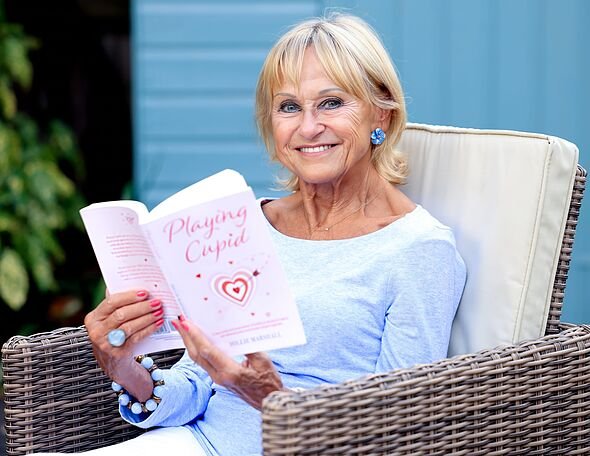
Playing Cupid (SilverWood Books, £14.99) is out now in Waterstones and on Amazon
Advertisement
Advertisement
Advertisement
Advertisement
I'm a dating expert – single women always complain about 4 things men do on dates – AOL.co.uk
No comments yet
0 comments