


The Importance of Dating: Building Connections
Understanding the Significance of Dating
Dating plays a crucial role in human relationships. It allows individuals to explore potential partnerships while discovering compatibility and personal preferences. Establishing connections through dating can lead to deeper, more satisfying relationships.
The Role of Communication in Dating
Effective communication is the bedrock of any blossoming relationship. Through dating, partners share their thoughts, feelings, and experiences, creating a foundation of trust and empathy. Open dialogue fosters understanding, which is vital for resolving conflicts and enhancing intimacy.
Personal Growth Through Dating Experiences
Dating also offers opportunities for personal growth. Engaging with different individuals allows for the exploration of new perspectives and ideas. Each experience, whether positive or negative, contributes to self-awareness and emotional intelligence, helping individuals understand what they value most in relationships.
In conclusion, dating is not merely about finding a partner; it is an essential tool for personal development and fostering meaningful connections. It enriches lives by promoting communication, understanding, and growth, ultimately leading to fulfilling relationships.
The Deep Human Desire for Love: Why We Want and Need It
The Biological Basis of Love
Human beings are inherently social creatures, and the desire for love can be traced back to our evolutionary history. Love serves not only as a deep emotional connection but also as a fundamental mechanism that promotes survival and reproduction. Throughout evolution, forming strong attachments has enabled humans to create partnerships that enhance the chances of raising offspring successfully. This nurturing bond ensures that both parents contribute to the upbringing of children, providing them with greater protection and resources.
At the core of our experience of love are a variety of neurochemicals that influence our emotions and behaviors. Oxytocin, often referred to as the “love hormone,” plays a critical role in fostering feelings of attachment and trust between individuals. Released during moments such as physical touch or intimate interactions, oxytocin strengthens emotional bonds and encourages caregiving behaviors, making it essential for forming lasting relationships.
Dopamine, another key player in the biology of love, is associated with pleasure and reward. This neurotransmitter is released when we engage in activities that we find enjoyable, including spending time with loved ones. The pleasure derived from connection and intimacy triggers dopamine release, reinforcing the importance of love in our lives. The resulting feelings of happiness and satisfaction not only motivate individuals to seek out romantic partnerships but also encourage social bonding more broadly.
Additionally, these neurochemical processes underscore the impact of love on our social behaviors. The drive to form and maintain relationships is not merely an emotional inclination; it is backed by a biological imperative that has evolved to ensure human survival. As such, love plays an integral role in shaping how we interact and connect with others, reflecting both an emotional depth and a profound evolutionary strategy.
Psychological Effects of Love on Well-being
Love plays a vital role in enhancing psychological well-being, acting as a powerful antidote to negative emotions such as stress, anxiety, and depression. Research indicates that individuals who cultivate loving relationships—whether romantic, familial, or platonic—tend to experience improved mental health and emotional stability. Each form of love contributes distinctively to one’s psychological state, promoting personal growth and resilience.
Romantic love, often characterized by deep emotional intimacy, can foster a sense of belonging and security. Studies have shown that individuals in romantic relationships report lower levels of stress, as the support and understanding received from a partner can significantly reduce feelings of loneliness and anxiousness. The emotional connection inherent in romantic love also facilitates the release of chemicals such as oxytocin and dopamine, which are associated with happiness and relaxation.
Familial love offers another essential layer of support, grounding individuals in a network of unconditional acceptance. The bonds formed within families can cultivate self-esteem and resilience during challenging times. Research indicates that strong family relationships contribute positively to mental health, as they often provide a sense of identity and continuity. Additionally, supportive familial interactions are linked to lower occurrences of depressive symptoms, underscoring the necessity of these close ties.
Platonic love, encompassing friendships, provides critical social engagement that uplifts overall emotional well-being. Friends can serve as confidants and motivators, helping individuals navigate life’s ups and downs. Engaging in meaningful conversations and shared experiences with friends has been shown to enhance feelings of happiness and decrease feelings of isolation, significantly impacting mental health positively.
Ultimately, the diverse forms of love shape our psychological landscape, leading to a robust framework for emotional health. By prioritizing and nurturing these relationships, individuals can bolster their well-being, emphasizing the critical role that love plays in our lives.
Societal and Cultural Perspectives on Love
Love, as a profound human experience, is shaped significantly by societal norms and cultural contexts. Each culture holds a unique interpretation of love, influencing how individuals perceive and express their emotional connections. In many Western societies, love is often romanticized, celebrated in literature, films, and music, portraying it as an idealized state that individuals strive to achieve. This portrayal can lead to heightened expectations regarding relationships and emotional fulfillment.
In contrast, other cultures may emphasize different aspects of love. In collectivist societies, for example, familial love and duty are often prioritized over romantic affection. This perspective frames love as a communal rather than an individual pursuit, altering how individuals seek connections and maintain relationships. Such cultural variations manifest not only in practices surrounding love but also in the values attributed to affection, care, and loyalty.
Media plays a pivotal role in disseminating cultural perceptions of love. The representation of love in films and television shows can solidify certain ideals, influencing public expectations and shaping personal experiences. Moreover, the advent of social media has transformed how love is expressed and experienced. Platforms such as Instagram and Facebook allow individuals to showcase their relationships, leading to a phenomenon where love is often displayed for public approval.
Additionally, the impact of technology on love cannot be overlooked. Dating apps and online communication have revolutionized how people cultivate relationships across demographics. Younger generations may navigate love primarily through digital interactions, which can alter traditional courtship practices and create unique challenges in establishing deep, meaningful connections.
As society continues to evolve, so too do individual interpretations of love. Variations in age groups and demographic backgrounds contribute to a diverse landscape of romantic expectations, making it essential to recognize and understand these societal and cultural influences.
The Universality of Love: A Shared Human Experience
Love is a profound human emotion that exists in various forms across all cultures and societies. It transcends geographical, racial, and cultural boundaries, making it one of the most universal experiences known to humankind. Regardless of the specific context in which love manifests, whether it be familial love, romantic love, or platonic affection, its significance is deeply rooted in our daily lives. This universality reflects the innate human connection to one another, showcasing how love serves as the foundation for relationships and communities globally.
From the heartfelt stories shared among families in Africa to the romantic customs in European countries, the essence of love fosters a sense of belonging and community. For instance, in many indigenous cultures, love is expressed through communal gatherings that celebrate relationships and unity, which are pivotal to their traditions. Similarly, in many Eastern cultures, love is often highlighted through family bonds, showcasing how individuals prioritize collective well-being over personal interests. These examples illustrate that, despite cultural differences, love remains a fundamental human experience that everyone can relate to.
The importance of love in fostering societal cohesion cannot be overstated. Love inspires acts of kindness and empathy, shaping our interactions with others and binding us together. In times of crisis, such as natural disasters or humanitarian conflicts, love emerges as a beacon of hope, prompting individuals to support one another across divides. This spirit of solidarity is seen worldwide, where communities come together to help those in need, showcasing love’s ability to cultivate resilience and strength.
In conclusion, love is more than just an emotion; it is a vital force that connects humanity. Through shared experiences, stories, and acts of compassion, love signifies our interdependence, shaping not only individual relationships but also broader societal bonds. The universality of love serves as a testament to our shared humanity, making it an indispensable aspect of life.
The Multifaceted Nature of Love: Understanding its Depth and Influence
The Different Types of Love
Love manifests itself in various forms, each with distinct characteristics and impacts on the human experience. Broadly, love can be categorized into four primary types: romantic love, familial love, platonic love, and self-love. Understanding these different forms is essential for appreciating the multifaceted nature of love.
Romantic love is often characterized by deep emotional and physical attraction, usually associated with passion and intimacy. It typically involves a sense of connection that transcends mere companionship, contributing to both emotional fulfillment and personal growth. In romantic relationships, partners often share dreams, aspirations, and a commitment to nurture each other’s well-being. This type of love can be exhilarating, yet it also requires effort and understanding to maintain its warmth and vitality.
Familial love pertains to the affection and bonds shared among family members. This type of love encompasses various relationships, such as those between parents and children, siblings, and extended family. These connections often foster a deep sense of security and belonging. Familial love is foundational, providing individuals with a support system that can enhance their emotional resilience and stability throughout life.
Platonic love, distinct from romantic love, refers to deep friendships where affection is expressed without the intention of a romantic relationship. This form of love emphasizes companionship, understanding, and emotional support without any sexual dimensions, allowing strong bonds to form based on shared interests and mutual respect.
Lastly, self-love is crucial for overall well-being. It involves recognizing one’s worth, respecting one’s own needs, and nurturing personal growth. Self-love promotes healthier relationships with others by fostering a sense of confidence and emotional balance. By understanding and cultivating each form of love, individuals can enrich their lives and foster more meaningful connections.
The Science of Love
Love is a complex phenomenon that intertwines both biological and psychological dimensions. At its core, the experience of love is heavily influenced by our biology, primarily through the release of hormones such as oxytocin, dopamine, and serotonin. These chemicals play a significant role in how we form attachments, experience pleasure, and regulate our moods. For instance, oxytocin, often referred to as the “love hormone,” is released during moments of intimacy, enhancing feelings of connection and trust between partners.
Moreover, dopamine is linked to the reward system in the brain, driving feelings of excitement and pleasure in romantic relationships. When individuals fall in love, the brain releases a surge of dopamine, which contributes to the euphoric feelings often associated with new love. As relationships deepen, however, the dynamics of these brain chemicals may shift, influencing the nature of love over time.
On the psychological side, attachment styles, which develop in childhood and continue into adulthood, significantly shape our relational behaviors. Individuals who are securely attached tend to have healthier and more satisfying relationships, as they exhibit trust and effective communication skills. Conversely, those with anxious or avoidant attachment styles may struggle with intimacy or commitment, affecting their ability to form lasting connections.
In addition to attachment styles, love languages also play a pivotal role in how we express and receive love. Some individuals may prioritize acts of service, while others may value quality time or words of affirmation. Recognizing and understanding one’s own love language, as well as that of their partner, can enhance communication and foster a deeper emotional bond.
Through the interplay of hormones, attachment styles, and love languages, the science of love illustrates the profound impact that these factors have on our relationships, emphasizing that love is not merely an emotional experience but a complex interplay of biological and psychological elements.
The Role of Love in Personal Growth and Healing
Love plays a pivotal role in fostering personal growth and promoting mental well-being, significantly influencing an individual’s journey of healing from trauma. The interconnectedness of love and psychological resilience reveals that loving relationships are not only a source of support but also catalysts for personal transformation. Research suggests that individuals who nurture loving connections experience enhanced emotional health and greater overall life satisfaction.
Psychological studies emphasize the concept of secure attachments—characterized by trust, care, and open communication—as fundamental to emotional healing. When individuals find themselves in supportive environments grounded in love, they are more likely to engage in self-discovery and develop coping mechanisms that facilitate resilience during challenging times. A powerful example is illustrated in the work of Dr. Stephen Porges, who developed the Polyvagal Theory, highlighting how safe relationships help to regulate the nervous system, allowing individuals to manage stress and trauma more effectively.
Anecdotal evidence further supports the hypothesis that love is instrumental in recovery from adverse experiences. Many individuals report that their path to healing was significantly shaped by the presence of loving friends, partners, or family members who provided emotional support during critical junctures. For instance, a survivor of significant trauma might find solace in a partner who offers unwavering patience and understanding, allowing them to process their experiences and gradually heal.
Moreover, love transcends mere emotional support. It encourages personal development through shared experiences and emotional exchanges. Engaging in relationships characterized by empathy and compassion enables people to cultivate greater self-awareness and emotional intelligence, pivotal elements in fostering personal growth. It is through this loving lens that one can view adversity as an opportunity for self-improvement rather than an insurmountable obstacle.
Love in the Modern Age
Love, as a complex and multifaceted phenomenon, has undergone considerable transformation in the modern age. The evolution of technology and the rise of social media have significantly influenced how individuals initiate, maintain, and express romantic relationships. This contemporary landscape presents both opportunities and challenges for those seeking love.
On the positive side, technology serves as a powerful facilitator for connection. Online dating platforms and social media applications have broadened the horizon for finding potential partners beyond geographical confines. People can now connect with others who share similar interests, values, and lifestyles, ultimately increasing the chances of developing meaningful relationships. Moreover, the accessibility of communication tools allows couples to maintain their relationships regardless of distance, fostering emotional intimacy even when apart.
However, this shift toward digital mediums is not without its drawbacks. The prevalence of superficial interactions and an ever-growing list of dating options can lead to superficial connections. Many individuals may find themselves overwhelmed by choices, potentially resulting in commitment issues or an inability to deepen relationships. Additionally, social media often presents an idealized version of love and relationships, creating unrealistic expectations that can lead to dissatisfaction and disillusionment.
In navigating love in this fast-paced environment, individuals increasingly employ various forms of communication, from text messages to video calls, but they also face the challenge of ensuring that such communication also enhances emotional understanding. The balance between digital interaction and personal connection is vital to ensure that love is expressed authentically. As love continues to evolve in this modern age, it remains imperative for individuals to foster genuine connections while mindful of the influences technology has on their relationships.

Understanding a Woman’s Happiness: Essential Tips
Recognizing Emotional Needs
Understanding a woman’s happiness often begins with recognizing her emotional needs. Each woman is unique, and what brings joy to one may not resonate with another. Take time to listen and observe her preferences. Communicating openly about feelings can foster a deeper connection, allowing her to express what makes her happy. This attentiveness can greatly enhance your relationship.
Support and Encouragement
Women often find happiness in support and encouragement from their partners. Be her biggest cheerleader in various aspects of life, whether it’s her career or personal goals. Show genuine interest in her achievements, no matter how small, and reassure her that you believe in her potential. Acknowledging her efforts can significantly contribute to her overall happiness.
Creating Shared Experiences
Engaging in shared experiences is another effective way to understand a woman’s happiness. Plan activities that both of you enjoy, be it hiking, cooking a meal together, or exploring new places. Such moments strengthen bonds and create joyful memories. Additionally, this shared time allows you to learn more about her personality and desires, ultimately leading to greater understanding of what makes her happy.

Understanding Ghosting in Dating: What It Means and Why It Happens
What is Ghosting?
In the evolving landscape of modern dating, the term ‘ghosting’ has surfaced frequently. Ghosting refers to the sudden cessation of communication by one partner, leaving the other party confused and uncertain. This behavior can occur after several dates or even after a long-term relationship, causing emotional distress to those left in the dark.
The Emotional Impact of Ghosting
Being ghosted can lead to various emotional responses, such as sadness, anger, and a dent in self-esteem. Generally, those who experience ghosting feel as though they’ve been dismissed without explanation, which can be deeply hurtful. The uncertainty of not knowing why the other person has vanished often exacerbates these feelings.
Why Do People Ghost?
Understanding why ghosting occurs can provide some clarity on this painful topic. Many individuals prefer to avoid difficult conversations, feeling that disappearing is easier than a face-to-face discussion. Others may be overwhelmed by their own emotions or circumstances and choose to disengage rather than confront the situation. In a world where options are plentiful, some may also see ghosting as a low-commitment escape route.
Despite its prevalence in dating, it’s crucial to acknowledge that ghosting is a harmful behavior. Open communication would foster healthier connections and ensure that both parties are on the same page. If you find yourself being ghosted, remember that it reflects more on the other person’s inability to communicate than on your worth as an individual.
When to Consider Moving On from a Date
Recognizing the Signs
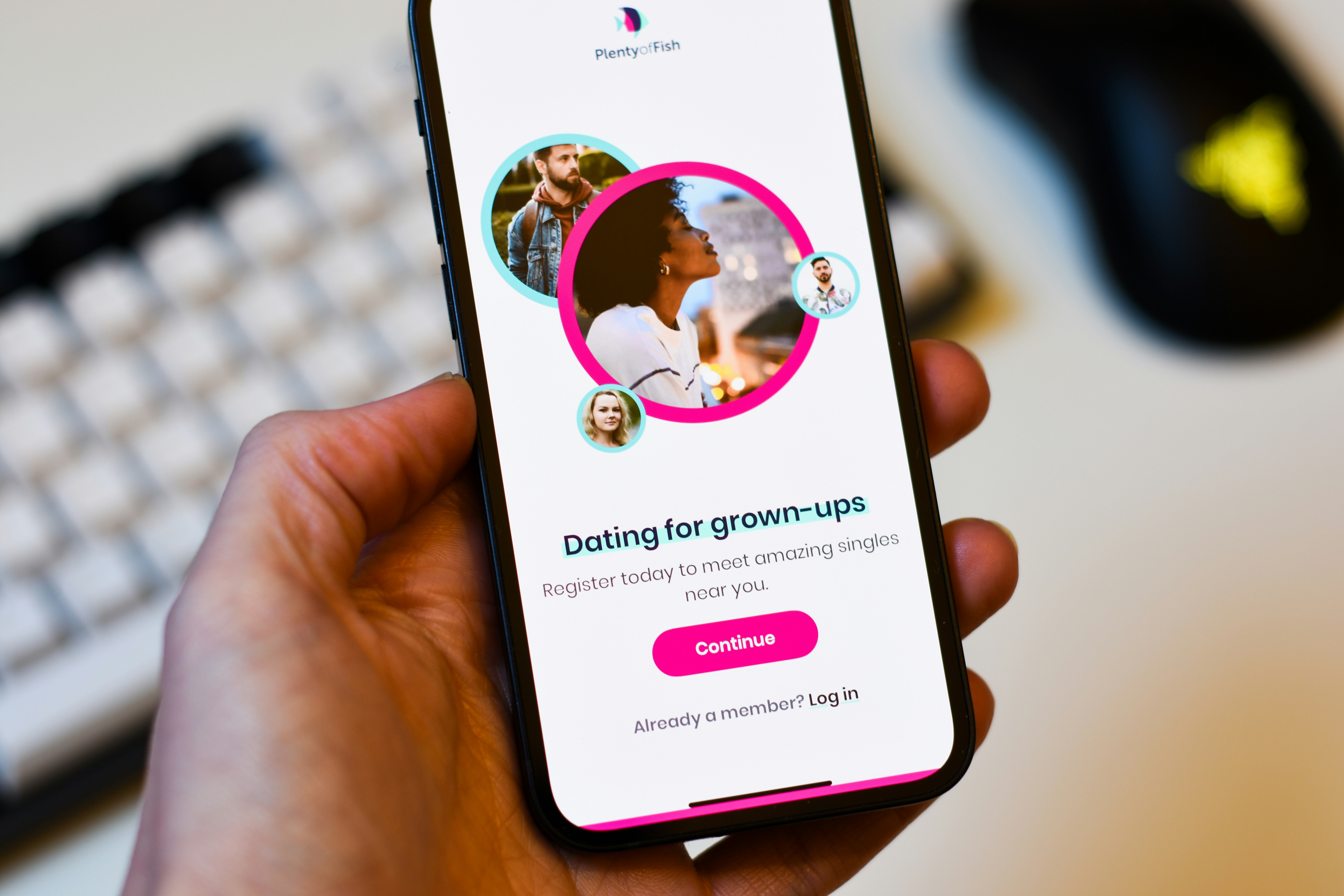
Dating can be an exciting yet challenging experience. However, there are times when continuing to pursue a connection may not be beneficial. Recognizing the signs that point to moving on from a date is essential for your emotional well-being. If conversations feel forced, or there’s a lack of interest from either party, it may be time to reconsider the relationship.
Understanding Your Feelings
Your feelings play a crucial role in determining whether to continue dating someone. If you constantly feel anxious or uncomfortable when around your date, these feelings should not be ignored. Healthy relationships foster positive emotions, while toxic ones can leave you drained. Trust your instincts, as they often guide you toward the right decision.
Evaluating Compatibility
Another important factor in deciding when to move on from a date is compatibility. Shared values and goals foster meaningful relationships. If you find that your core beliefs significantly diverge or that you have contrasting life visions, this may indicate that it’s time to part ways. Ultimately, a successful relationship requires alignment on key aspects, and you deserve a partner who shares your aspirations.
Understanding Love Bombing: A Deep Dive into Its Definition and Impact

What is Love Bombing?
Love bombing is a term used to describe an emotional manipulation tactic, where one person showers another with an overwhelming amount of affection, attention, and gifts, particularly at the beginning of a relationship. This intense display of love can be confusing, as it often feels like a passionate connection. However, beneath this affectionate facade, love bombing can stem from insecurity or the desire for control.
The Signs of Love Bombing
Identifying love bombing can be challenging since it often masquerades as genuine affection. Common signs include excessive texting, showering the partner with compliments, and overwhelming acts of service or gifts. In these instances, the love bomber may create a sense of urgency and emotional dependency, fostering an environment where the other person feels obligated to reciprocate such grand gestures.
The Impact of Love Bombing on Relationships
While love bombing may seem flattering at first, the consequences can be detrimental. Over time, the love bomber may withdraw their affection, leaving their partner feeling confused and unworthy, as the initial whirlwind of love fades. This cycle can create an unhealthy relationship dynamic, marked by emotional highs and lows. Being aware of love bombing and its effects is crucial to fostering a healthy, balanced relationship.
Essential Dating Advice for 2025: Navigating Love in a Modern World
Understanding Modern Relationships
As we approach the year 2025, the landscape of dating continues to evolve at a rapid pace. With technology playing a significant role in how people connect, understanding the nuances of modern relationships is crucial. Digital dating apps are now the norm, and they offer a plethora of options, which can be both exciting and overwhelming.
The Importance of Authenticity
In this fast-paced dating environment, staying true to yourself is more important than ever. Authenticity not only fosters genuine connections but also helps in attracting like-minded individuals. As you navigate the dating scene, focus on showcasing your true personality. Share your interests, values, and experiences without fear of judgment. Remember, the best relationships are built on honesty.
Navigating Online Dating Etiquette
With online dating being a primary way to meet potential partners, knowing proper etiquette is essential. This includes being respectful in your communication, being clear about your intentions, and engaging with others in a kind manner. Remember to take your time when getting to know someone—rushing into deep conversations might deter potential connections. Additionally, prioritize safety by meeting in public places and informing a friend about your plans.
In conclusion, dating in 2025 presents unique challenges and opportunities. By fostering authenticity and adhering to online dating etiquette, you can enhance your chances of forming meaningful relationships. Embrace the changes and enjoy the journey of finding love in this modern world.
10 Effective Strategies to Score More Dates
Understand Yourself First
Before you can score more dates, it’s important to understand yourself. Knowing your interests, values, and preferences will help you present your authentic self to potential partners. This self-awareness not only boosts your confidence but also enables you to attract those who resonate with who you truly are.
Expand Your Social Circle
One effective way to score more dates is to expand your social circle. Join clubs, attend events, or engage in group activities that interest you. The more people you meet, the higher your chances of finding someone compatible. Remember, every new connection is an opportunity to potentially score a date.
Utilize Online Dating Platforms
Online dating applications have revolutionized how people meet. Utilize these platforms to create an engaging profile that reflects your personality. Make sure to add recent photos and write a compelling bio. The goal is to attract potential matches, thus increasing your chances to score more dates.
Be Open and Approachable
Mannerisms play a crucial role in dating. Be open and approachable in social settings. Maintain a friendly demeanor, and don’t hesitate to make the first move when you see someone you’re interested in. A simple smile or conversation starter can lead to great connections.
Work on Your Communication Skills
Effective communication is essential in dating. Good conversational skills can help you engage better and make your dates more enjoyable. Practice active listening and ask open-ended questions to keep the dialogue flowing. This will not only enhance your dating experience but also help score more dates in the long run.

Understanding Infidelity: Reasons Why Women Cheat
Emotional Disconnect
Emotional disconnect is a significant factor that can lead women to engage in infidelity. When individuals feel neglected or unappreciated in their relationships, particularly on an emotional level, they may begin to seek fulfillment outside the bounds of their committed partnerships. This yearning for emotional intimacy is crucial, as it fosters a deep sense of connection between partners. Without this essential bond, feelings of loneliness and dissatisfaction often arise.
Women, like all individuals, often prioritize emotional closeness as a foundation of their relationships. When their emotional needs are unmet, they may feel alienated or undervalued. This disconnect can manifest in various ways, such as a lack of communication, insufficient emotional support, or an absence of shared experiences. These deficiencies contribute to an environment where women may feel isolated and unfulfilled. Consequently, the search for validation and connection can lead them to explore relationships outside of their primary partnership.
While it is important to recognize that not all women who experience emotional disconnect will resort to infidelity, the risk increases when their emotional needs are consistently overlooked. Understanding this dynamic emphasizes the importance of fostering open communication and emotional intimacy in relationships. When partners prioritize each other’s emotional well-being and remain attuned to one another’s needs, they can create a secure environment where both individuals feel valued and loved.
Ultimately, exploring the emotional aspects that may drive women to cheat sheds light on the vital role that emotional intimacy plays in maintaining a healthy relationship. By addressing and nurturing emotional connections, couples can work towards preventing feelings of dissatisfaction and the potential for infidelity.
Desire for Novelty and Adventure
The human desire for novelty and adventure is a fundamental aspect of many individuals’ personalities, and it can significantly influence their behaviors in relationships. For some women, the quest for new experiences may drive them to seek variety outside of their committed partnerships. This craving for excitement often stems from a dissatisfaction with the routine of daily life, where predictability can become stifling. As such, infidelity can emerge as a means of rekindling a sense of adventure and thrill.
Research has shown that the brain’s reward system is activated by new and exhilarating experiences, releasing dopamine and creating feelings of pleasure. This biochemical response can reinforce the desire to engage in thrill-seeking behaviors, making the allure of an affair particularly enticing. The pursuit of novelty may not only be about physical attraction but can also encompass emotional stimulation and the rush associated with clandestine interactions. The thrill of the chase, characterized by secret rendezvous and discreet communications, adds an exhilarating layer to the experience that some find hard to resist.
Anecdotal evidence illustrates that women who engage in affairs often speak of feeling alive and invigorated as they embark on these new adventures. It is important to note that while not all women who cheat do so for reasons of adventure, this psychological aspect provides a perspective into the motivations behind infidelity. Stepping outside their comfort zones can offer an escape from the monotony of everyday life, thus leading to the decision to pursue relationships that provide that much-needed zest.
Ultimately, the desire for novelty and adventure highlights the complexities of human relationships, suggesting that for some, the pursuit of exhilaration outweighs the consequences associated with infidelity.
Dissatisfaction with the Relationship
One of the primary catalysts that can lead women to engage in infidelity is the dissatisfaction that arises within their current relationship. Various factors contribute to such discontent, and understanding these elements can shed light on the complexities of infidelity. Communication plays a crucial role; a lack of open dialogue and emotional expression can hinder the connection that partners share. When individuals feel unheard or undervalued, it erodes the foundation of trust and intimacy that is essential for a healthy relationship.
Additionally, unresolved conflicts often fester over time, creating an environment rife with tension and resentment. When disputes are met with avoidance rather than resolution, feelings of disconnection can intensify. Consequently, partners may stop addressing their emotional and physical needs, leading to a sense of isolation within the relationship. In such instances, women may seek to fill this emotional void by looking for affection and acceptance outside their primary partnerships.
Sexual needs also play a significant role in relationship satisfaction. Unmet desires can create frustration, leading individuals to seek fulfillment in other areas. If women feel that their sexual needs are consistently ignored or unaddressed, they may be more inclined to initiate an extramarital affair as a means to regain that aspect of intimacy. Furthermore, unmet personal expectations in relationships can amplify feelings of disappointment or unworthiness, perpetuating a cycle that drives women towards infidelity as a misguided form of validation.
Overall, a combination of communication breakdowns, unresolved conflicts, and unmet needs can create an atmosphere conducive to infidelity. Understanding these factors can provide insight into why some women stray, highlighting the importance of addressing dissatisfaction to strengthen emotional and relational bonds.
Influence of Social Circles and Environmental Factors
The decision to commit infidelity can be significantly influenced by social circles and the broader environmental context in which individuals find themselves. Peer pressure emerges as a powerful force, particularly among women, who may be swayed by friends or acquaintances who engage in extramarital affairs. This social dynamic can create an impression that infidelity is a norm, thereby normalizing behavior that may otherwise be viewed as unacceptable. The presence of friends who cheat may lower a woman’s inhibitions about pursuing similar actions, impacting her views on loyalty and commitment.
Cultural norms also play a crucial role in shaping attitudes towards infidelity. In societies where infidelity is rampant or viewed through a lenient lens, women may feel a diminished sense of guilt or consequence. Their choices can be influenced by the implicit messages surrounding loyalty, fidelity, and relationships. For instance, if a woman frequently interacts with peers who endorse casual relationships, she may reassess her own relationship values, yielding to an increased likelihood of infidelity.
Furthermore, external circumstances, such as work-related stress or significant life transitions, can act as catalysts for infidelity. A woman facing emotional or psychological strain may seek solace in the arms of another, viewing infidelity as an escape or temporary relief from her burdens. Similarly, during transitional life phases—such as becoming a parent, handling a career change, or navigating a relationship crisis—individuals may be more susceptible to engaging in affairs as a means of coping with uncertainty or dissatisfaction in their primary relationships.
In essence, the interplay of social circles, cultural influences, and environmental stressors can create a fertile ground for infidelity. It is essential to acknowledge these factors, as they can shed light on why some women may choose to stray from their committed relationships, ultimately revealing the complexity of human motives in matters of fidelity.